Stop Building Swipe Files Manually
Every marketer has a folder somewhere. Screenshots of competitor ads. Saved emails. Instagram posts captured for "inspiration."
Most of these folders haven't been opened in months.
The Swipe File Lie
The idea sounds smart. Save good creative when you see it. Reference it later when you need ideas. Build a library of what works.
In practice, nobody scrolls through 400 screenshots looking for that one email they saved eight months ago. The folder grows. Usefulness doesn't.
Even organised folders fail. Subfolders by brand. Tags by campaign type. Dates in the filename. All that structure still leaves you searching through images you can't actually search.
You can't ask a folder of screenshots "what subject lines did competitors use during Black Friday?" You can't filter by date range or campaign type or brand. The content is there. The intelligence isn't.
The Collection Problem
Manual collection has limits.
You can subscribe to maybe ten competitor email lists before your inbox becomes unusable. You can check a handful of Instagram accounts daily. You can browse the Meta Ad Library when you remember to.
But competitors don't announce when they launch campaigns. That Instagram post you missed on Tuesday might have been their most important of the quarter. The email they sent at 6am hit customers before you woke up.
Coverage gaps accumulate. After six months of manual tracking, you have a partial picture that feels complete. Dangerous.
The Analysis Problem
Even with perfect collection, analysis hits walls fast.
How many promotional emails did your top competitor send last month? What percentage of their content is sale-focused versus editorial? How does their frequency compare to the category average?
These questions require counting, sorting, and categorising hundreds of pieces of content. Nobody does this manually. So the questions go unasked and the patterns stay hidden.
What Changes With Automation
Tracking that runs continuously catches everything. That 2am email launch. The Instagram story that disappeared after 24 hours. The ad variant that ran for three days before getting pulled.
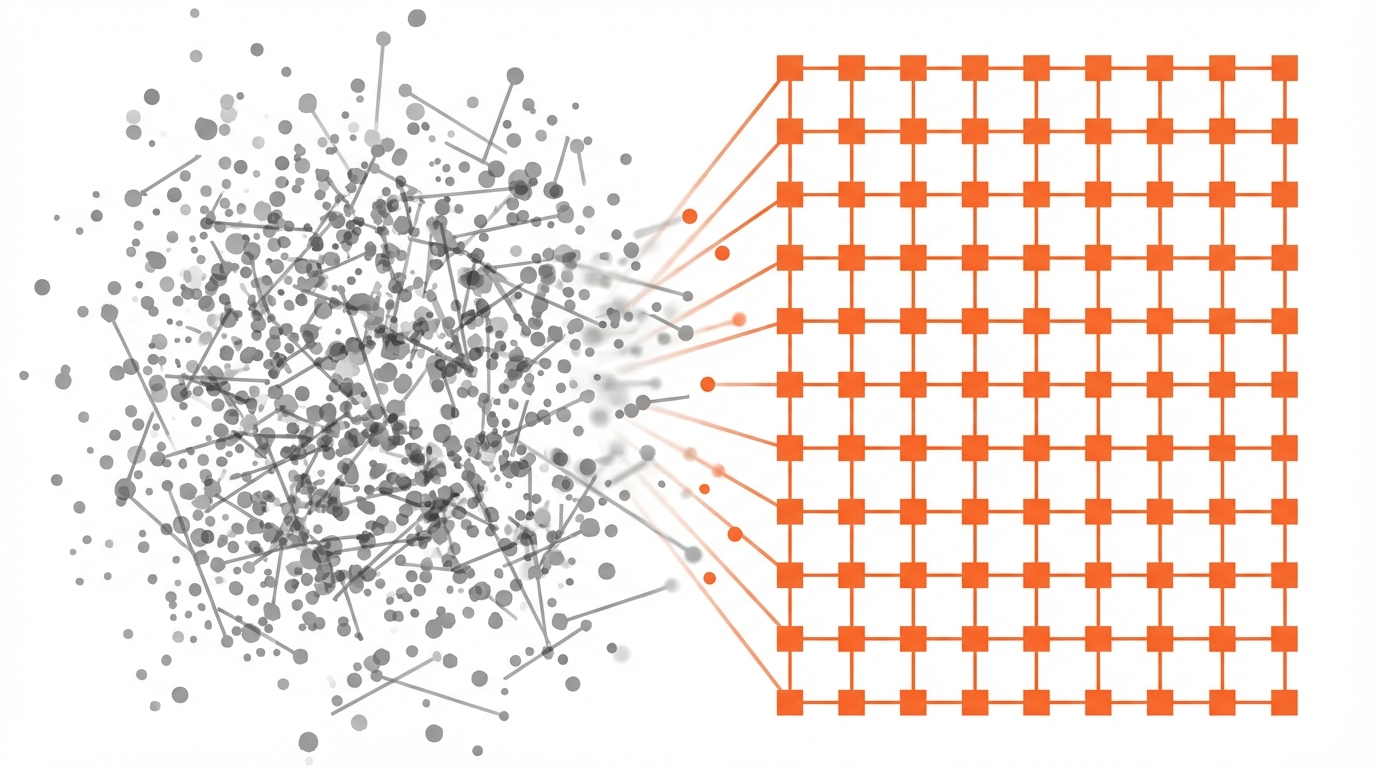
More importantly, automated tracking can be analysed. Content gets categorised on capture. Promotional versus educational. Product-focused versus brand-focused. Sale versus full price.
Now you can actually answer questions. "Show me all competitor sale emails from the past 90 days." "What messaging angles appeared most in Black Friday campaigns?" "Which brand sends the most frequently?"
This is where competitive intelligence actually lives. Not in screenshots. In searchable, categorised, analysable data.
The Path Forward
If your swipe file is a folder of screenshots, you don't have a competitive intelligence system. You have a graveyard of good intentions.
The fix isn't trying harder at manual collection. That approach has a ceiling. The fix is automating collection and adding structure that makes the content useful.
Your competitors are producing more content than ever. Emails, ads, posts, stories. Keeping up manually was possible five years ago. Now the volume is too high and the stakes are too big.
Time to upgrade.

Get competitive intelligence tips and product updates.